
Safety guide
Following distance: when the three-second rule is not enough
Build space around speed, visibility, road surface, traffic, and the vehicle ahead instead of relying on one fixed number.
Complete guide directory
Browse every National Drivers Guide article by editorial desk. Each headline leads directly to its article page.
Editorial desk
Safety guide
Build space around speed, visibility, road surface, traffic, and the vehicle ahead instead of relying on one fixed number.

Checklist
Mirrors, signals, a shoulder check, speed matching, and a clear escape path belong in one repeatable routine.

Safety guide
A steady grip, gradual deceleration, and a deliberate move to safety matter more than a sudden steering correction.

Safety guide
Reduce speed before standing water, avoid abrupt inputs, and understand why tire condition changes the risk.

Checklist
Clean glass, aimed lights, lower speed, greater following distance, and glare control can change what you see in time.

Practical guide
Signs, lane shifts, workers, stopped traffic, and large vehicles make attention and following distance especially important.

Checklist
Expect children to move unpredictably, obey reduced speeds, scan beyond the crosswalk, and never pass a stopped school bus illegally.

Explainer
Slow down, signal, yield predictably, and follow the specific move-over and intersection rules that apply in your state.

Explainer
Visual, manual, and cognitive distractions can continue even when a device is hands-free.

Checklist
A designated driver, rideshare plan, overnight option, and no access to keys should be decided before judgment changes.

Safety guide
Drifting, missed exits, heavy eyelids, and memory gaps mean the safe response is to stop—not push through.

Explainer
The lap belt should sit low on the hips and the shoulder belt should cross the chest without being placed behind the back.
Editorial desk

Practical guide
Use the acceleration lane to build appropriate speed, identify a gap early, signal, and avoid stopping unless traffic requires it.

Explainer
Yield to traffic already circulating, choose the correct lane before entry, and signal when leaving when local rules require it.

Safety guide
Move as far from traffic as possible, make the vehicle visible, decide whether staying belted inside is safer, and call for help.

Checklist
Tires, battery condition, visibility, fuel, route, speed, and an emergency kit determine how much margin you have.

Practical guide
Long grades, curves, elevation, weather, and brake heat require earlier decisions than level-road driving.

Safety guide
Pedestrians, backing vehicles, carts, blind corners, and distracted drivers demand walking-speed patience.

Practical guide
Signal, set the starting position, check all directions, reverse slowly, and straighten with small corrections.

Checklist
Walk around when needed, use mirrors and cameras as aids, move slowly, and stop immediately when the path is uncertain.

Explainer
Scan farther ahead, avoid traveling in blind spots, leave room beside you, and anticipate the mistake another road user could make.

Practical guide
Move from quiet streets to traffic, night, weather, highways, and complex parking only after the earlier skill is repeatable.

Safety guide
Check twice, allow a full lane, increase following distance, and never assume a turn signal means the rider is turning.

Safety guide
Scan crosswalks and bike lanes before turning, yield as required, and avoid passing vehicles stopped for a crossing.
Editorial desk

Practical guide
Price, depreciation, financing, warranty, insurance, taxes, reliability, and repair risk belong in the same comparison.

Explainer
Missing events, delayed records, title issues, prior repairs, and current mechanical condition still require independent checks.

Checklist
Ask what is optional, what it costs, whether it is already installed, and how it changes the amount financed.

Practical guide
Vehicle price, taxes, title, registration, documentation fees, add-ons, and financing determine the real transaction.

Explainer
A competing rate and term make it easier to compare financing without letting the monthly payment hide the total cost.

Explainer
A lower payment can cost more when the term is longer or optional products increase the loan balance.

Practical guide
Separating the numbers makes it harder for a strong trade allowance to hide a higher purchase price or weaker loan.

Checklist
Cold start, visibility, controls, braking, steering, ride, parking, warning lights, and highway behavior deserve deliberate attention.

Explainer
Warranty status, dealer promises, and written terms matter more than a verbal assurance made during the sale.

Checklist
Compare the dashboard, door label, title, sale documents, recall lookup, and any state title record available to you.

Practical guide
Payment alone leaves out mileage limits, wear charges, acquisition fees, residual value, and long-term ownership plans.

Checklist
Include payment, insurance, fuel or charging, maintenance, registration, parking, tolls, and a repair reserve.
Editorial desk

Checklist
A recall lookup starts the process; scheduling the remedy and keeping the repair record finishes it.

Practical guide
Use the vehicle placard pressure, not the tire sidewall maximum, and recheck after temperature changes.
Checklist
A tread check alone can miss cracking, bulges, punctures, uneven wear, or an age-related replacement need.

Safety guide
Noise, vibration, pulling, a soft pedal, warning lights, fluid loss, or longer stopping distance should not be normalized.

Explainer
Engine design, oil specification, service monitor, mileage, time, towing, heat, and short trips can change the interval.

Safety guide
Reduce load, move to safety, shut down when necessary, and never open a hot cooling system.
Checklist
Age, slow cranking, corrosion, heat, cold, charging voltage, and repeated short trips can reveal a weakening battery.

Practical guide
Streaks, chatter, torn rubber, weak spray, dirty glass, and the wrong seasonal fluid reduce useful visibility.

Explainer
Color, flashing behavior, vehicle symptoms, and the owner’s manual help determine whether to stop, service promptly, or monitor.

Practical guide
Dates, mileage, parts, fluids, recalls, invoices, and symptoms create a useful history for the next diagnosis or owner.

Checklist
Diagnosis, labor hours, labor rate, parts grade, shop supplies, taxes, warranty, and recommended extras should be visible.

Checklist
Visibility gear, communication, power, water, first aid, seasonal supplies, and safe roadside behavior matter more than gadgets.
Editorial desk

Explainer
Bodily injury and property damage limits should be read with state requirements, exclusions, assets, and real loss scenarios.

Explainer
A crash, theft, weather event, animal strike, glass loss, or falling object may be handled under different coverage.

Practical guide
Premium savings should be compared with emergency cash, vehicle value, claim frequency, and lender requirements.

Explainer
State rules and policy forms differ, so review injury, property, hit-and-run, stacking, and limit details with the insurer.

Checklist
Daily limits, maximum days, covered losses, towing distance, lockouts, existing memberships, and vehicle needs can overlap.

Explainer
Understand what triggers payment, which balances are excluded, whether a deductible applies, and when the coverage should end.

Practical guide
Household rules, vehicle choice, training, grades, telematics, limits, discounts, and quotes can materially change the premium.

Checklist
Review what is collected, how it affects price, who receives it, how long it is kept, and whether participation can increase cost.

Safety guide
Check injuries, move when directed or safe, contact authorities as required, exchange information, and photograph from a protected position.

Practical guide
Labor operations, parts type, refinishing, scans, calibrations, supplements, deductibles, and payment direction should be understood.

Checklist
Update garaging address, license, registration, coverage requirements, commute, household drivers, and insurer records promptly.

Practical guide
Match drivers, vehicles, limits, deductibles, endorsements, discounts, payment plans, and effective dates before comparing price.
Editorial desk

Checklist
Address, insurance, inspection, emissions, taxes, fees, notices, and deadlines vary by state and should be confirmed directly.

Explainer
Ownership names, lien release, odometer disclosure, sale date, taxes, signatures, and state forms must agree.

Checklist
Driver license, vehicle registration, title, insurance, toll account, parking permits, and voter records can have different deadlines.

Practical guide
Confirm whether your vehicle and location are covered, which documents to bring, what is tested, and how retests work.

Explainer
A recently cleared battery or code can reset monitors, so confirm your state procedure before arriving.

Explainer
Paper cards, electronic proof, policy dates, vehicle details, rental vehicles, and traffic stops may involve different rules.

Checklist
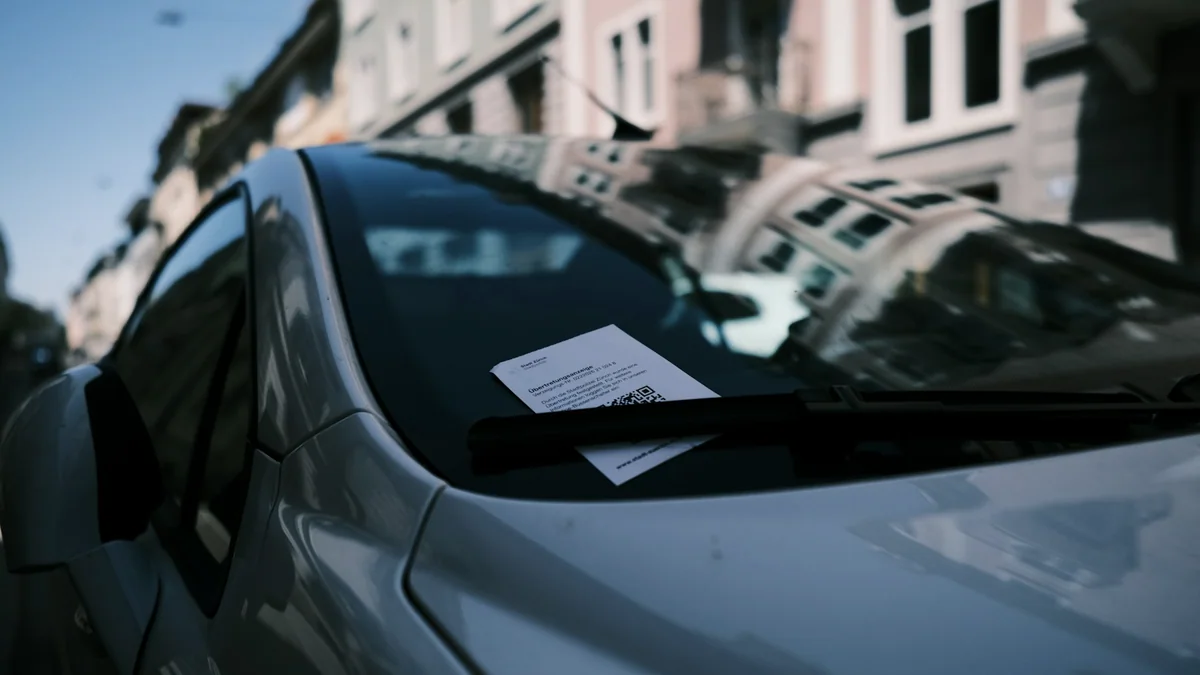
Do not rely on memory or informal advice; use the citation and court source to verify response, payment, contest, and appearance rules.
Explainer
Point values, insurance treatment, course eligibility, expiration, and suspension thresholds should be checked with the issuing state.

Safety guide
Emergency, service, utility, maintenance, and disabled vehicles may receive protection under different state laws.

Checklist
Phone use, child restraints, move-over duties, tolling, insurance documents, tint, and trailer rules may differ.

Explainer
Visible-light limits, windshield bands, medical exemptions, enforcement, and nighttime visibility need state-specific confirmation.

Explainer
Age, height, weight, seat instructions, vehicle fit, and state law should be considered together.
Editorial desk

Explainer
Plan from real conditions and charging options instead of treating one advertised range number as a guarantee.

Checklist
Panel capacity, circuit, outlet or hardwire choice, permits, placement, weather rating, and a qualified installer matter.
Practical guide
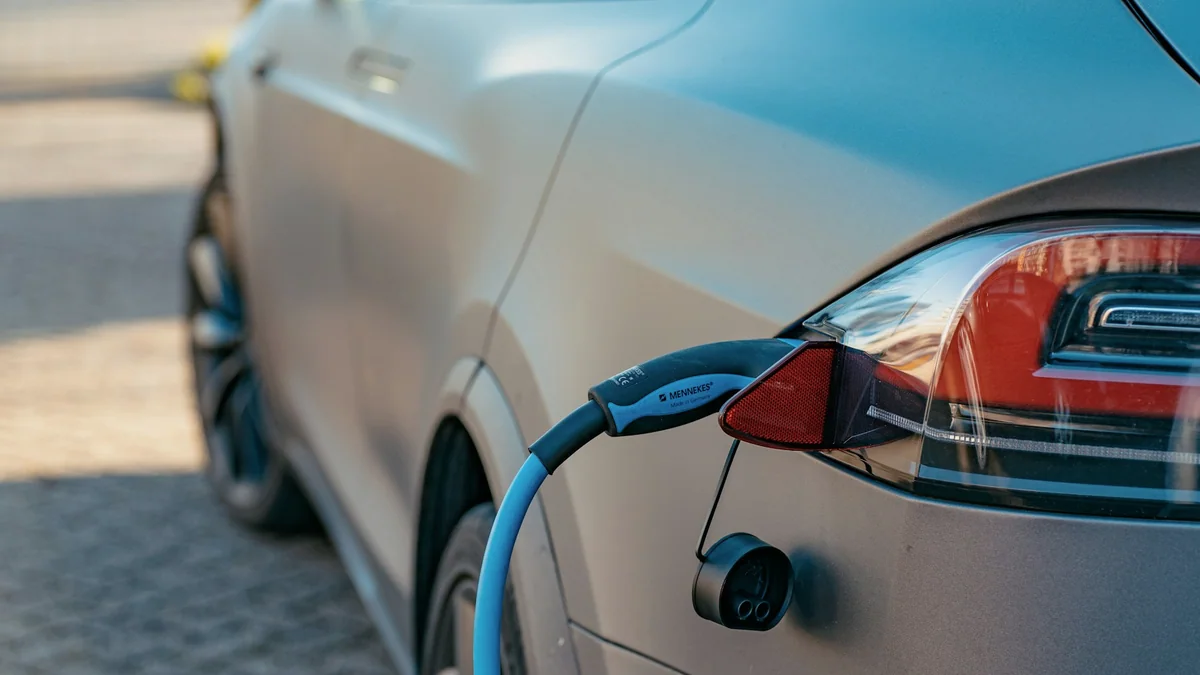
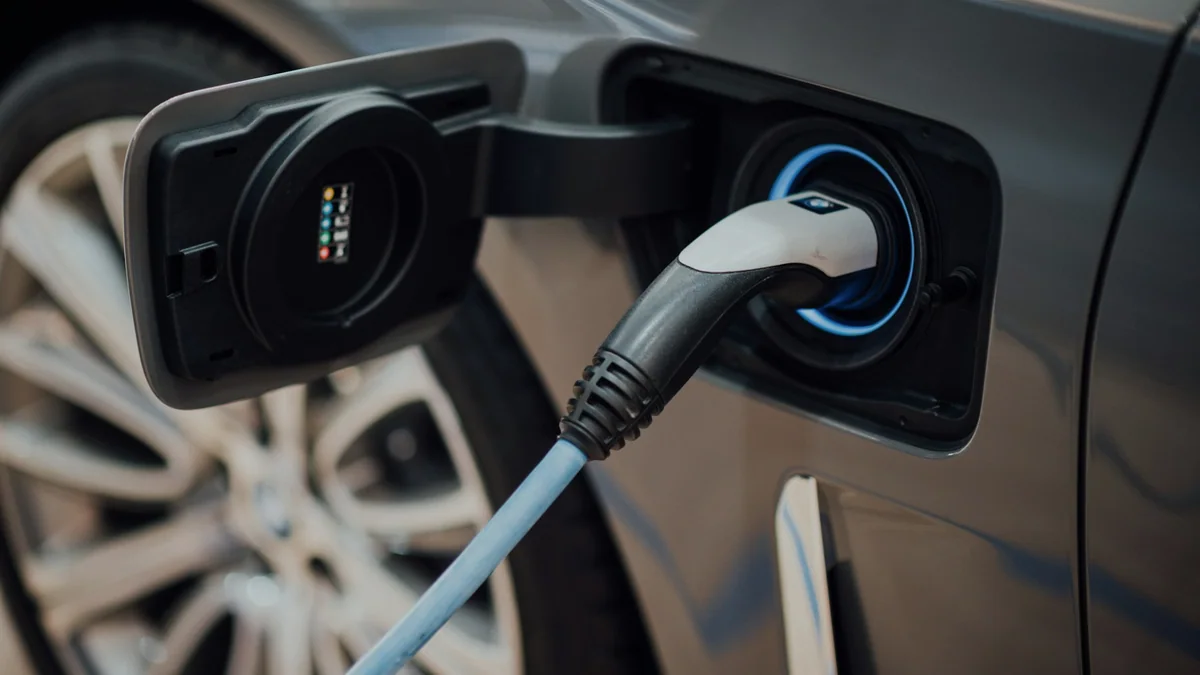
Connector, power, network access, availability, pricing, dwell time, and a second location reduce avoidable surprises.
Checklist
Years, mileage, capacity threshold, exclusions, transfer, diagnostics, and remedy language may differ by manufacturer and state.

Checklist
Eligibility can depend on purchase timing, income, price, assembly, battery rules, dealer reporting, and current IRS guidance.

Safety guide
Read the system limits, keep attention on the road, understand handoff warnings, and never assume the vehicle sees every hazard.
Practical guide
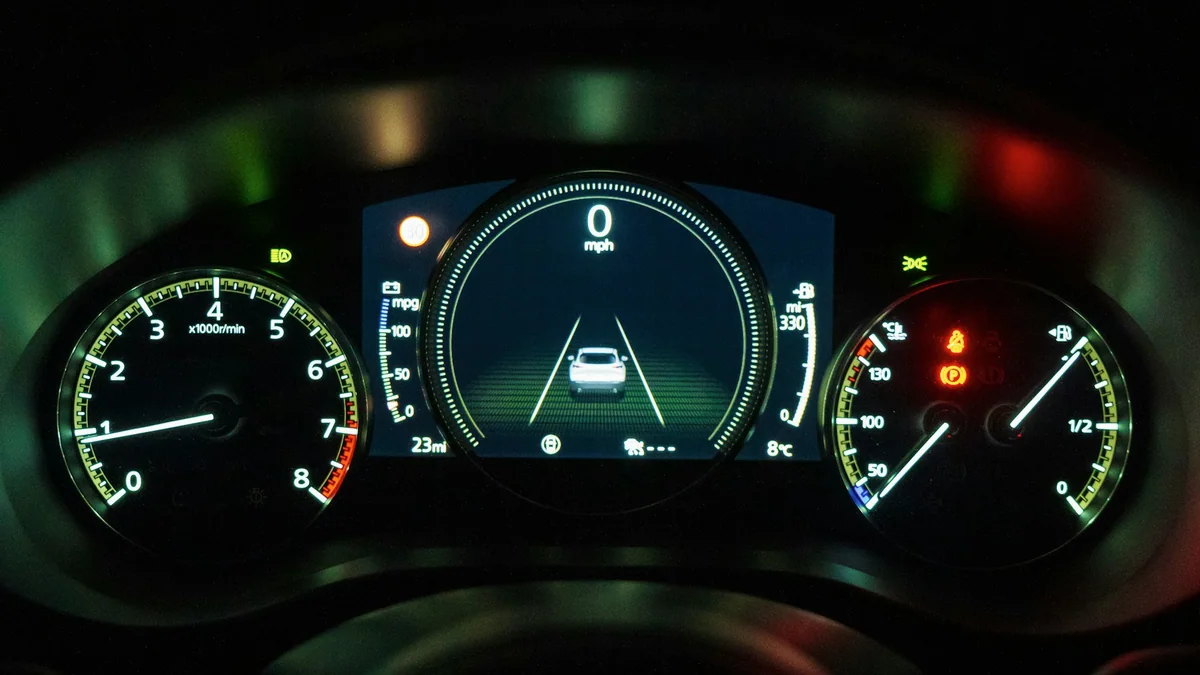
Release notes, parked-state requirements, battery level, connectivity, feature changes, privacy terms, and rollback limits deserve review.

Checklist
Camera placement, audio rules, passenger notice, retention, cloud access, timestamps, and safe retrieval should be planned.

Explainer
Location, driving behavior, diagnostics, contacts, voice, apps, insurance sharing, and deletion options may sit in different systems.

Safety guide
Key storage, account security, software, physical barriers, parking choices, and recovery information work together.

Explainer
Engine service still matters while high-voltage components, regenerative braking, cooling, and long storage add different considerations.
Editorial desk

Checklist
The seat manual, vehicle manual, child size, seating position, installation method, angle, movement, and harness fit all matter.

Practical guide
Passengers, night driving, phones, seat belts, speeding, weather, vehicle access, and consequences should be explicit.

Practical guide
Vision, medications, reaction, vehicle fit, routes, timing, refresher training, and alternatives can be discussed respectfully.
Safety guide
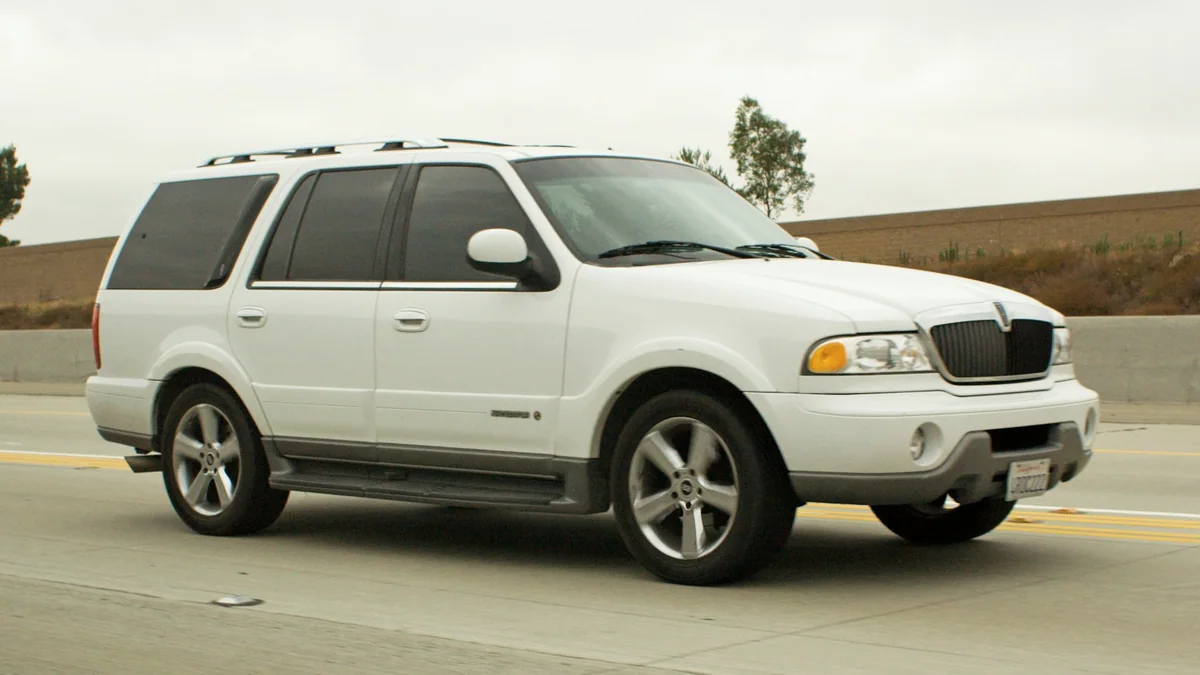
An appropriate carrier or restraint, ventilation, ID, water, breaks, and never leaving an animal in heat belong in the plan.

Safety guide
Never leave a child or pet unattended, build a back-seat check habit, lock parked vehicles, and act immediately if someone is trapped.
Checklist
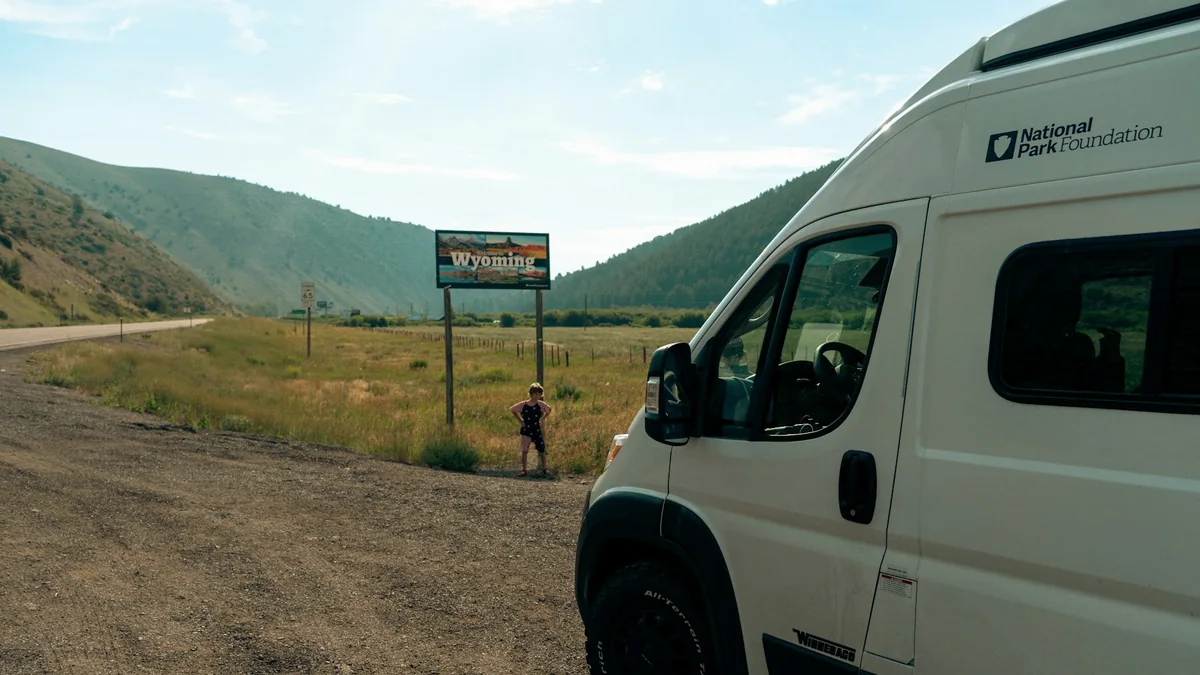
Warmth, water, food, medication, power, visibility, traction aids, infant needs, and communication should reflect the route and weather.

Checklist
Maintenance, tires, recalls, weather, sleep, medications, child seats, pet needs, charging or fuel, and backup routes deserve one review.

Practical guide
Smooth acceleration, steady speed, correct tire pressure, less idling, route planning, and removing unnecessary load can help.

Safety guide
Choose one adult leader, hold hands, avoid walking behind vehicles, load children before cargo, and scan before backing.

Checklist
Towing distance, service limits, lockouts, battery, tires, fuel, response area, exclusions, and duplicate coverage should be checked.

Practical guide
Car-seat access, crash information, visibility, cargo, insurance, operating cost, parking, reliability, and recalls deserve real-world testing.